inquiry
Leave Your Message
0%

In today’s fast-changing world of sensor tech, Hall Effect Transducers really stand out as key players across a bunch of different industries. Dr. Emily Carter, who’s pretty much a top expert in this area, once said, “The accuracy of Hall Effect Transducers is shaping what’s next for automation.” That’s a huge deal because it shows just how much these little devices are transforming industries around the globe.

Lately, China’s really made a name for itself in the Hall Effect Transducer market, producing sensors that are not only high-quality but also pretty reliable. Companies like GFO Technology and SensoPart are pushing the envelope with innovative solutions that cater to customers worldwide. They’re really investing in R&D to boost accuracy and durability — stuff that’s super important if they want to stay competitive.

That said, there are still some hurdles to overcome. Quality control and sticking to industry standards can be a real challenge for certain manufacturers. As demand for these sensors keeps climbing, it’s more important than ever for companies to stick to strict quality measures. Buyers everywhere should be careful and choose partners who truly prioritize excellence and reliability — you really don’t want to end up with subpar products when working on critical projects.

China Top Hall Effect Transducers for Global Buyers Insights?

Overview of Hall Effect Transducers in China

China has emerged as a significant player in the global Hall Effect Transducer market. Recent reports indicate a consistent growth trajectory. By 2025, the global market size is projected to reach $2.4 billion, with China accounting for a majority share. This trend highlights the demand for advanced sensing solutions across various industries.

Hall Effect Current Transducer technology plays a crucial role in this development. These devices are essential for measuring electrical currents with high precision. The rise in electric vehicles and renewable energy sources drives the need for accurate current sensing. Chinese manufacturers are focusing on enhancing their production capabilities to meet international standards.

However, challenges persist in the market. Quality control remains an area needing improvement. Some local manufacturers struggle to maintain consistency in their product quality. Adopting international quality benchmarks could streamline these processes. Continuous innovation is essential to address issues like supply chain disruptions. This reflects the evolution of the Hall Effect Transducer landscape in China, emphasizing the need for both growth and enhancement.

Key Manufacturers of Hall Effect Transducers in China

China Top Hall Effect Transducers for Global Buyers Insights?

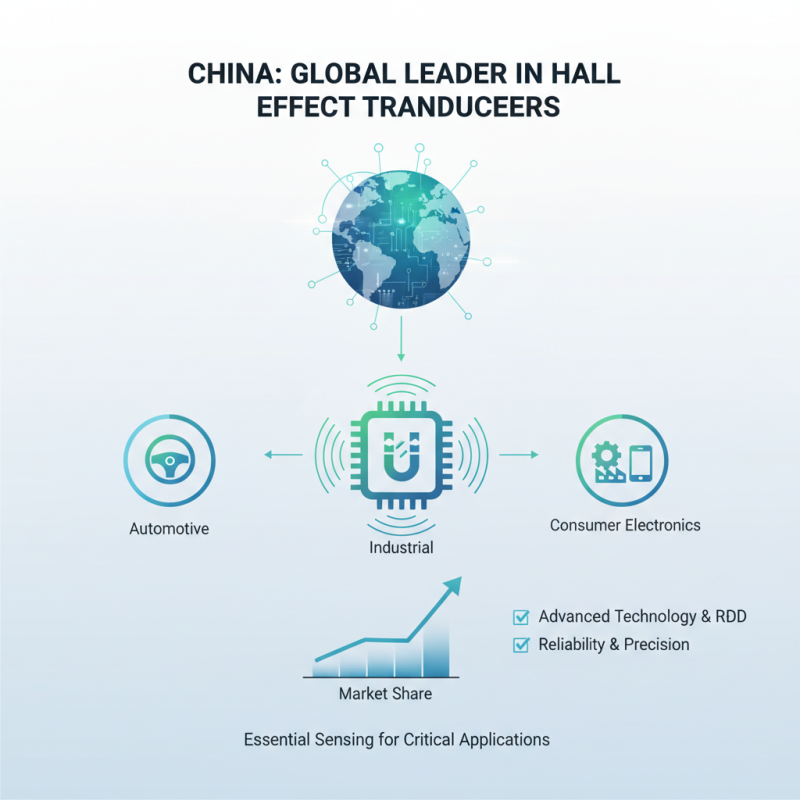
China has established itself as a key player in the production of Hall Effect Transducers. These devices are essential for accurate sensing applications in various sectors, including automotive, industrial, and consumer electronics. Key manufacturers in China contribute significantly to the global market, leveraging advanced technology and skilled research teams. Their products often prioritize reliability and precision, a must-have for critical applications.

When selecting a manufacturer, consider their production capacity and quality control practices. Some companies may have years of experience, yet still struggle with maintaining consistency. Look for certifications that indicate adherence to global standards. This can reflect a company’s commitment to delivering high-quality Hall Current Transducer products.

It's also important to evaluate the support services offered. You might find that some manufacturers provide limited post-sale assistance. This can lead to challenges in integrating Hall Effect Transducers into your projects. A reliable partner should offer technical guidance and prompt responses to inquiries. Investing time in research can prevent costly disruptions later on, enhancing your overall project success.

Technical Specifications and Features of Top Transducers

China Top Hall Effect Transducers for Global Buyers Insights?

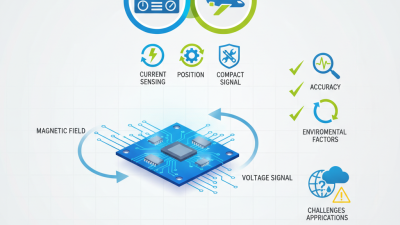
The Hall effect transducer plays a vital role in various applications, from automotive sensors to industrial automation. These devices utilize the Hall effect to convert magnetic field data into electrical signals. This functionality is essential for precise measurements in today’s technology-driven world.

When evaluating technical specifications, several features stand out. Sensitivity is crucial, as it defines how effectively the transducer responds to magnetic fields. Many high-performance Hall Transducers exhibit sensitivity ratings in the range of millivolts per tesla. This capability allows for accurate current sensing, contributing to better control in electronic systems.

Temperature sensitivity is another significant factor. Variation in temperature can influence the performance of Hall transducers. Selecting a device with low temperature drift can enhance reliability in various environments. Furthermore, many transducers offer a range of output options, such as analog and digital signals, allowing versatility in applications. However, understanding the limitations and ensuring compatibility with existing systems requires careful consideration.

Market Trends in Hall Effect Transducer Demand

The demand for Hall Effect transducers is witnessing notable growth globally. Various industries seek these sensors for their efficiency and precision. As technological advancements continue, the applications of Hall Effect transducers are expanding. Industries such as automotive and industrial automation are significant contributors to this trend.

Tips: Conduct a market analysis to understand the specific needs of different sectors.

Furthermore, a focus on energy efficiency is influencing buyer choices. Companies are increasingly interested in sustainable solutions. This is driving innovation in sensor technology. However, challenges remain. Ensuring consistency in product quality can affect buyer trust.

Tips: Engage with suppliers who prioritize quality control measures.

Market dynamics can change rapidly. Staying updated on industry trends is critical. Understanding regional preferences helps in making informed decisions. Buyers must not overlook the shifting landscape of Hall Effect transducer applications.

Applications of Hall Effect Transducers Globally

Hall Effect transducers play a vital role in various global applications. These sensors detect magnetic fields and convert them into electrical signals. They are widely used in industries like automotive, industrial automation, and consumer electronics. In 2022, the global Hall Effect sensor market was valued at approximately $2.3 billion and is expected to expand at a CAGR of 7% through 2030. This growth reflects the rising demand for precise measurements in technology.

In the automotive sector, Hall Effect sensors ensure efficient operation of electric power steering and throttle control systems. They enhance vehicle safety and improve performance. In industrial automation, these sensors enable accurate position sensing and current detection. According to a recent report, about 60% of Hall Effect sensors are applied in these industries alone. However, challenges remain. The integration of these sensors into advanced technologies can lead to reliability concerns. Understanding their limitations is crucial for engineers and developers alike.

Consumer electronics also benefit from Hall Effect transducers. They are commonly used in smartphones and tablets for position sensing and magnetic switches. As manufacturers innovate, finding affordable yet reliable Hall Effect solutions can be daunting. Awareness of industry trends and technological advancements is essential for stakeholders. Balancing cost and performance frequently proves to be a complex task in this evolving market.

Global Applications of Hall Effect Transducers

Insights into Export and Global Supply Chain Dynamics

The global market for Hall Effect transducers is evolving rapidly. Understanding the export dynamics is essential for businesses looking to navigate this landscape. These sensors are critical in various applications, from automotive to industrial automation. Their demand is driven by advancements in technology and the need for precision.

However, challenges persist in the supply chain. Factors like material shortages and geopolitical tensions can disrupt flow. Companies must closely monitor these shifts to ensure steady supply. Diversifying sources is one strategy to mitigate risks. Additionally, maintaining open communication with suppliers is crucial. It helps in forecasting availability and adjusting orders accordingly.

Despite these challenges, opportunities exist. Emerging markets are increasingly adopting these technologies. This trend opens new avenues for manufacturers. Yet, it is imperative to remain adaptable in approach. Not every market will respond the same way. A tailored strategy can lead to improved outcomes and more resilient operations.

Future Prospects for Hall Effect Transducers in Global Market

The future of Hall Effect transducers looks promising in the global market. These sensors are crucial for various applications, including automotive and industrial automation. Industries are increasingly relying on Hall Effect technology for its reliability and accuracy in measuring magnetic fields. As technology evolves, innovations in Hall Effect transducers will likely enhance their performance.

Tips: Explore the latest tech trends to stay ahead. Understanding the specifications of these transducers can significantly impact your buying decision.

Growth opportunities are visible in emerging markets. Manufacturers are focusing on reducing costs while maintaining quality. Enhanced designs can improve efficiency and reduce energy consumption. However, companies must be cautious; rapid adoption without thorough testing might lead to unforeseen challenges.

Tips: Stay informed on best practices for integration. Continuous learning and adapting can prevent costly mistakes when using Hall Effect transducers.

FAQS

: What are Hall Effect Transducers used for?

: They convert magnetic field data into electrical signals. They are essential in automotive and industrial applications.

How important is sensitivity in Hall Effect Transducers?

Sensitivity defines how well a transducer responds to magnetic fields. Higher sensitivity enhances current sensing accuracy.

What should one consider when selecting a manufacturer?

Look for production capacity and quality control practices. Experience alone does not guarantee consistency in products.

Are post-sale support services important?

Yes, limited support can create integration challenges. A reliable partner provides guidance and quick responses to inquiries.

Why is temperature sensitivity a concern?

Temperature variations can affect performance. Devices with low temperature drift enhance reliability in different environments.

How can market trends impact the demand for transducers?

Growth in automotive and industrial automation drives demand. Understanding specific industry needs is essential for buyers.

What influences buyer choices in transducer purchasing?

A focus on energy efficiency and sustainable solutions is increasingly important. Buyers prefer innovative sensor technology.

What are the limitations of Hall Effect Transducers?

Understanding compatibility with existing systems is vital. Misjudgments can lead to performance issues in applications.

Why is product quality important in this market?

Consistency in product quality affects buyer trust. Engaging suppliers who prioritize quality control is crucial.

How can market dynamics affect purchasing decisions?

Market conditions change quickly. Staying informed on trends and regional preferences helps make better decisions.

Conclusion

The article provides a comprehensive overview of Hall Effect Transducers in China, highlighting key manufacturers and the leading technical specifications and features of these devices. As demand for Hall Effect Transducers continues to grow globally, the article discusses emerging market trends and various applications across different industries.

Additionally, it offers insights into export dynamics and the global supply chain related to Hall Effect Transducers, emphasizing the significant role that China plays in this market. Future prospects indicate a promising landscape for Hall Effect Transducers, driven by technological advancements and increasing international demand. This summary underscores the importance of understanding both the local manufacturing capabilities and the global market implications of Hall Effect Transducers.

Sophia

Sophia

Sophia is a seasoned marketing professional at Wuxi Yadoo Electromechanical Co., Ltd., based in the heart of China's industrial hub. With over a decade of experience in the transformer core industry, she possesses an exceptional understanding of the products and services offered by Yadoo. Her......
Previous How to Choose the Right Hall Switch Sensor for Your Needs?